
Introduction
Are you experiencing persistent pain, swelling, or discharge near the anus that just won’t go away? While these symptoms may feel uncomfortable or embarrassing to talk about, they could be signs of an anal fistula—a condition that usually develops after an infection near the anus.
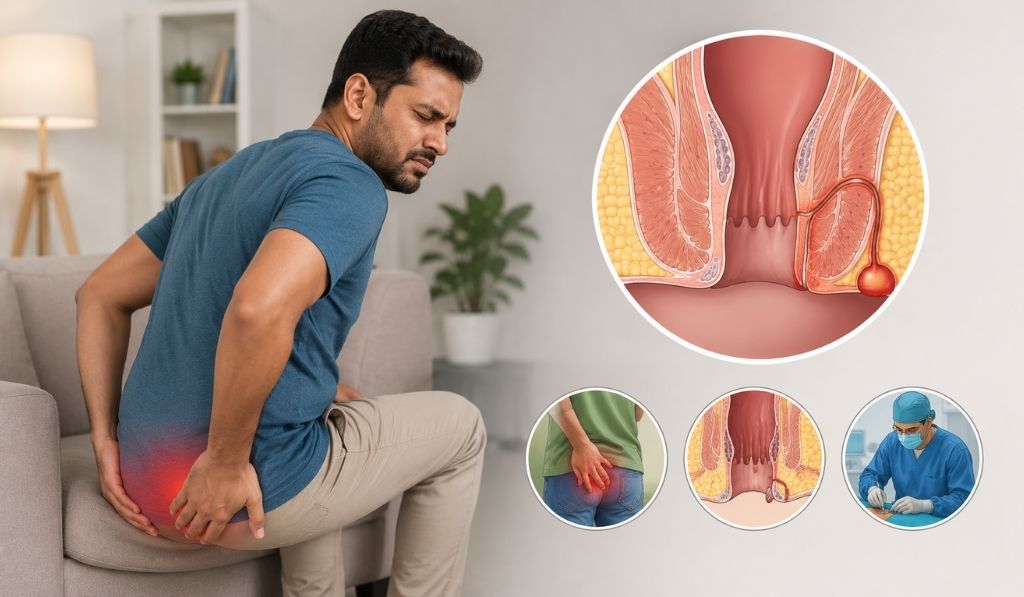
The anus contains small glands that help keep the anal canal healthy and lubricated. Sometimes, these glands become blocked or infected, leading to the formation of an anal abscess (a collection of pus). If the abscess does not heal completely, it may leave behind a small tunnel connecting the inside of the anal canal to the skin around the anus. This tunnel is called an anal fistula.
An anal fistula is a common anorectal condition that can cause persistent pain, swelling, discharge, and recurrent infections, affecting everyday comfort and quality of life. Although it rarely heals on its own, early diagnosis and appropriate treatment can prevent complications and support a quicker recovery.
What Are the Symptoms of an Anal Fistula?
The symptoms of an anal fistula can vary depending on its location and severity. Some people develop symptoms after an anal abscess, while others may notice persistent drainage or repeated infections.
Common symptoms include:
- Persistent or throbbing pain around the anus
- Pain that worsens while sitting, walking, coughing, or passing stools
- Swelling or a painful lump near the anus
- Redness and tenderness around the affected area
- Pus-like, blood-stained, or foul-smelling discharge from an opening near the anus
- Recurrent anal abscesses
- Skin irritation around the anus
- Bleeding during or after bowel movements
- Fever or chills if an infection is present
- Difficulty controlling bowel movements in complex fistulas
Some people may notice a small opening near the anus that repeatedly drains fluid, while others experience recurring abscesses that temporarily improve before returning.
When to consult a specialist: If you experience persistent pain, swelling, discharge, or repeated infections around the anus, consult a colorectal or general surgeon for prompt evaluation and treatment.
What Causes an Anal Fistula?
Most anal fistulas develop after an infection in one of the small glands inside the anus. As the infection progresses, an abscess forms. Even after the abscess drains or is treated, the tunnel created by the infection may remain, resulting in a fistula.
Other possible causes include:
- Previous anal abscess
- Infection of the anal glands
- Crohn’s disease
- Other inflammatory bowel diseases
- Trauma or injury to the anal region
- Previous anal or rectal surgery
- Pelvic radiation therapy
- Tuberculosis
- Certain sexually transmitted infections (STIs)
- Chronic inflammatory skin conditions such as hidradenitis suppurativa
Identifying the underlying cause helps determine the most appropriate treatment and reduces the risk of recurrence.
Who Is at Risk of Developing an Anal Fistula?
Although an anal fistula can affect anyone, certain factors increase the likelihood of developing the condition.
Risk factors include:
- Previous anal abscess
- Crohn’s disease
- Inflammatory bowel disease
- Diabetes
- A weakened immune system
- Being male
- Previous anal surgery
- Pelvic radiation therapy
- Recurrent anal infections
Having one or more of these risk factors does not necessarily mean you will develop an anal fistula, but being aware of them can help you seek medical advice early if symptoms occur.
When to consult a specialist: If you have a history of recurrent anal abscesses or inflammatory bowel disease and notice new symptoms, consult a specialist without delay.
What Are the Possible Complications of an Anal Fistula?
Without appropriate treatment, an anal fistula may continue to cause infection and discomfort. Over time, it can lead to more complex problems.
Possible complications include:
- Recurrent anal abscesses
- Persistent pain and swelling
- Continuous pus or blood-stained discharge
- Formation of multiple fistula tracts
- Scarring around the anal area
- Complex fistulas involving the anal sphincter muscles
- Difficulty controlling bowel movements in severe cases
- Reduced quality of life
- Rarely, long-standing untreated fistulas may increase the risk of anal cancer.
Early treatment helps minimise these complications and improves long-term outcomes.
How Is an Anal Fistula Diagnosed?
Diagnosis begins with a discussion of your symptoms, medical history, and previous episodes of anal abscesses or infection. A physical examination is usually performed to identify the external opening and assess the surrounding area.
Depending on the complexity of the fistula, additional investigations may include:
- Physical examination
- Digital rectal examination
- Anoscopy or proctoscopy
- MRI scan
- Endoanal ultrasound
- Examination under anaesthesia
These investigations help determine the location and complexity of the fistula and guide the most appropriate treatment plan.
Treatment Options for an Anal Fistula
Treatment depends on the type and complexity of the fistula. In most cases, surgery is the most effective treatment.
Fistulotomy
The most common treatment for simple fistulas. The fistula tract is opened to allow healing from the inside out.
Seton Placement
A soft surgical thread is placed through the fistula to allow drainage, reduce infection, and protect the anal sphincter muscles before further treatment.
Endorectal Advancement Flap
This procedure uses healthy tissue to close the internal opening of the fistula while preserving the anal sphincter muscles.
LIFT Procedure
The Ligation of the Intersphincteric Fistula Tract (LIFT) procedure is a sphincter-preserving technique used for selected complex fistulas.
Precaution After Treatment
Following your surgeon’s instructions is essential for a smooth recovery. Recovery usually includes:
- Keeping the area clean
- Taking prescribed medications
- Using warm sitz baths
- Eating a fibre-rich diet
- Drinking plenty of water
- Preventing constipation
- Attending follow-up appointments
Recovery time varies depending on the procedure and complexity of the fistula.
Can an Anal Fistula Be Prevented?
Although not every anal fistula can be prevented, certain healthy habits may reduce the risk.
Helpful preventive measures include:
- Seek prompt treatment for anal abscesses
- Maintain good anal hygiene
- Eat a balanced, fibre-rich diet
- Drink adequate water
- Prevent constipation and prolonged diarrhoea
- Manage Crohn’s disease appropriately
- Control diabetes effectively
- Attend regular follow-up appointments if advised
Maintaining good bowel health and treating infections early can help lower the risk of developing an anal fistula.
Frequently Asked Questions (FAQs)
1.Can an anal fistula heal without surgery?
Most anal fistulas do not heal on their own and usually require surgical treatment.
2.Is an anal fistula the same as an anal fissure?
No. An anal fissure is a tear in the lining of the anal canal, whereas an anal fistula is an abnormal tunnel caused by an infection.
3.Can an anal fistula return after treatment?
Yes. Although treatment is usually successful, recurrence can occur, particularly in complex fistulas or individuals with Crohn’s disease.
4.How long does recovery take?
Recovery varies depending on the procedure performed and the complexity of the fistula. Your surgeon will advise you on your expected recovery time.
Conclusion
Living with persistent anal pain, swelling, or discharge can affect both your physical comfort and emotional well-being. Many people delay seeking medical help because they feel embarrassed discussing symptoms affecting the anal region. However, an anal fistula is a medical condition that requires timely attention, and early treatment can help prevent recurrent infections, reduce complications, and support a faster recovery.
At P. D. Hinduja Sindhi Hospital, experienced colorectal specialists diagnose and treat anal fistulas using advanced diagnostic techniques and evidence-based surgical care tailored to each patient’s needs. If you are experiencing symptoms of an anal fistula, don’t let discomfort or hesitation delay your treatment. Schedule a consultation at P. D. Hinduja Sindhi Hospital, recognised as one of the best hospitals for anal fistula treatment in Bangalore, and take the first step towards lasting relief and better colorectal health.