
Introduction
Our eyes are one of the most sensitive and important organs of the body, helping us experience the world around us. Because of their delicate structure, they can be affected by various conditions, including infections, allergies, and inflammation.
One such common eye condition is conjunctivitis, also known as pink eye.
Conjunctivitis can occur due to different reasons, and understanding the underlying cause is important for choosing the right care approach. While many cases are temporary and manageable, timely evaluation can help reduce discomfort and support better eye health.
What Is Conjunctivitis (Pink Eye)?
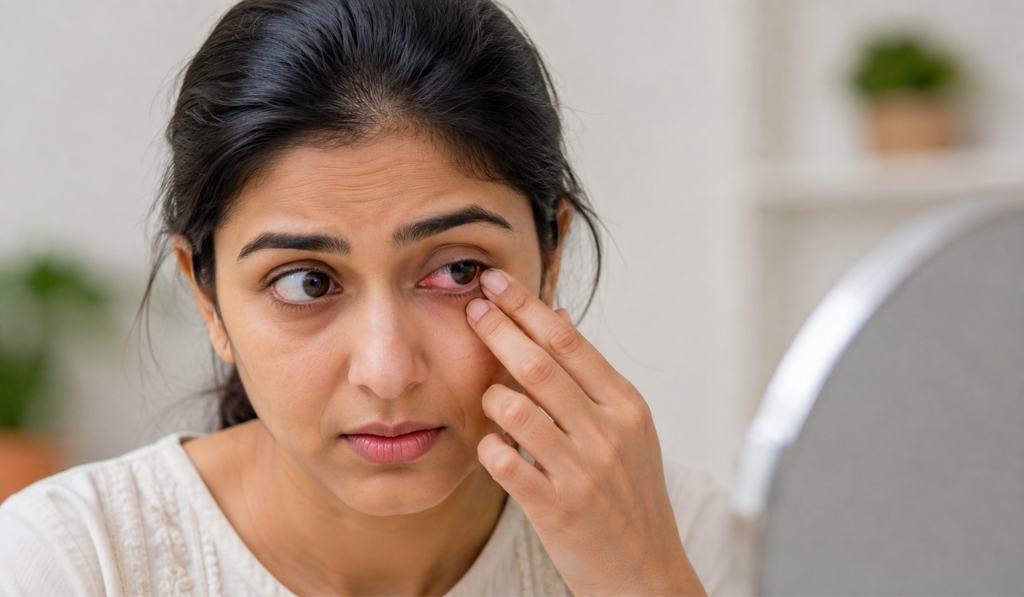
Conjunctivitis is the inflammation of the conjunctiva, a thin transparent membrane that protects the surface of the eye and the inner lining of the eyelids.
When this layer becomes inflamed, the eye appears red or pink. The condition can affect one eye or both eyes depending on the reason behind the inflammation.
Conjunctivitis is a common eye condition seen across different age groups
Types of Conjunctivitis
Conjunctivitis can develop due to infections, either viral or bacterial, allergic reactions, or exposure to irritants. Identifying the type is important because each form may require a different management approach.
Infectious Conjunctivitis
Common symptoms of infectious conjunctivitis either viral, or bacterial are as follows:
- Watery eye discharge
- Redness and irritation
- Thick or sticky discharge from one or both eyes
- Sticking together of eyelids after sleep
- Can occur along with common cold or flu like symptoms
Allergic or Irritant Conjunctivitis
Common Symptoms of allergic Conjunctivitis include:
- Intense itching of the eyes
- Seasonal or environmental allergies
- Irritants like smoke dust chemical fumes, air pollutions, chlorinated swimming pool water
- Associated with systemic problems like bronchial asthma
What Can Increase the Risk of Conjunctivitis?
Certain factors can make a person more likely to develop conjunctivitis. These factors may affect eye hygiene, increase exposure to infections, or cause irritation of the eye surface.
Some common risk factors include:
- Close contact with someone having infectious conjunctivitis
- Frequently touching or rubbing the eyes
- Poor hand hygiene
- Improper contact lens care
- Sharing eye cosmetics, towels, or personal items
- Exposure to dust, smoke, or pollution
- History of seasonal allergies
Maintaining healthy eye care habits can help reduce unnecessary irritation and protect against common eye problems.
Who Is More Likely to Develop Conjunctivitis?
Conjunctivitis can affect anyone, but certain individuals may have a higher chance of developing it due to increased exposure or existing eye-related factors.
People who may be at higher risk include:
- Children attending schools or day care
- Contact lens users
- Individuals with frequent allergy problems
- People exposed to crowded environments
- Those who work in dusty or polluted surroundings
- Individuals who do not follow proper eye hygiene practices
Taking simple precautions and seeking timely medical advice when symptoms appear can help maintain better eye health.
Treatment Options for Conjunctivitis
The treatment for conjunctivitis depends on the underlying cause. Since viral, bacterial, allergic, and irritant conjunctivitis develop for different reasons, the management approach varies from person to person.
Your ophthalmologist will recommend treatment based on the type of conjunctivitis, severity of symptoms, and overall eye health.
How Can Conjunctivitis Be Prevented?
While not all cases of conjunctivitis can be avoided, following good eye hygiene practices can help reduce the risk, especially for infectious forms.
Simple preventive measures include:
- Wash hands frequently with soap and water
- Avoid touching the eyes unnecessarily
- Do not share towels, handkerchiefs, or eye cosmetics
- Maintain proper contact lens hygiene
- Replace eye makeup products as recommended
- Keep personal items clean
- Avoiding non-allergens
- Avoiding exposure to irritants
If someone at home has infectious conjunctivitis, maintaining hygiene and avoiding close contact with their personal items can help reduce transmission.
When Should You See an Ophthalmologist?
Medical evaluation for any form of conjunctivitis, at the earliest is important.
You should consult an ophthalmologist if you experience:
- Severe eye pain
- Blurred vision that does not improve
- Increased sensitivity to light
- Symptoms that do not improve
- Severe swelling around the eye
- Thick discharge from the eye
- Repeated episodes of conjunctivitis
Early consultation helps rule out other eye conditions and ensures appropriate treatment.
Frequently Asked Questions (FAQs)
Q1. Is conjunctivitis contagious?
Some types, especially viral and bacterial conjunctivitis, can spread from person to person. Other types, such as allergic conjunctivitis, are not contagious.
Q2. How long does conjunctivitis last?
The duration depends on the cause. Some cases improve within a few days, while others may require frequent follow-up.
Q3. Can conjunctivitis affect vision?
Conjunctivitis usually does not cause vision problems, but blurred vision or persistent changes should be evaluated by an ophthalmologist at the earliest.
Q4. Can I wear contact lenses during conjunctivitis?
It is recommended not to wear contact lenses until your eye specialist confirms it is safe to use them again.
Q5. Can conjunctivitis go away without treatment?
Some mild cases may improve on their own, but proper evaluation helps identify the cause and avoid complications.
Q6. Are antibiotic eye drops needed for all cases of conjunctivitis?
An ophthalmologist will prescribe antibiotic eye drops after evaluating the type of conjunctivitis.
Why Choose P.D. Hinduja Sindhi Hospital for Eye Care?
At P.D. Hinduja Sindhi Hospital, we provide comprehensive eye care with a focus on accurate diagnosis and personalised treatment. Our experienced ophthalmologists evaluate each patient carefully to identify the underlying cause of eye conditions and recommend appropriate management.
With advanced diagnostic facilities and a patient-focused approach, the hospital provides care for a wide range of eye problems, helping patients receive timely guidance and treatment for better eye health.
Conclusion
Conjunctivitis is a common eye condition with different causes, and understanding the type of pink eye is essential for receiving the right care.
Avoiding self-medication and following an ophthalmologist’s advice can help ensure safe and effective recovery. If you have persistent eye redness, discharge, irritation, or any concerns related to your eye health, consult the ophthalmologists at P.D. Hinduja Sindhi Hospital for expert evaluation and appropriate care.