
Introduction
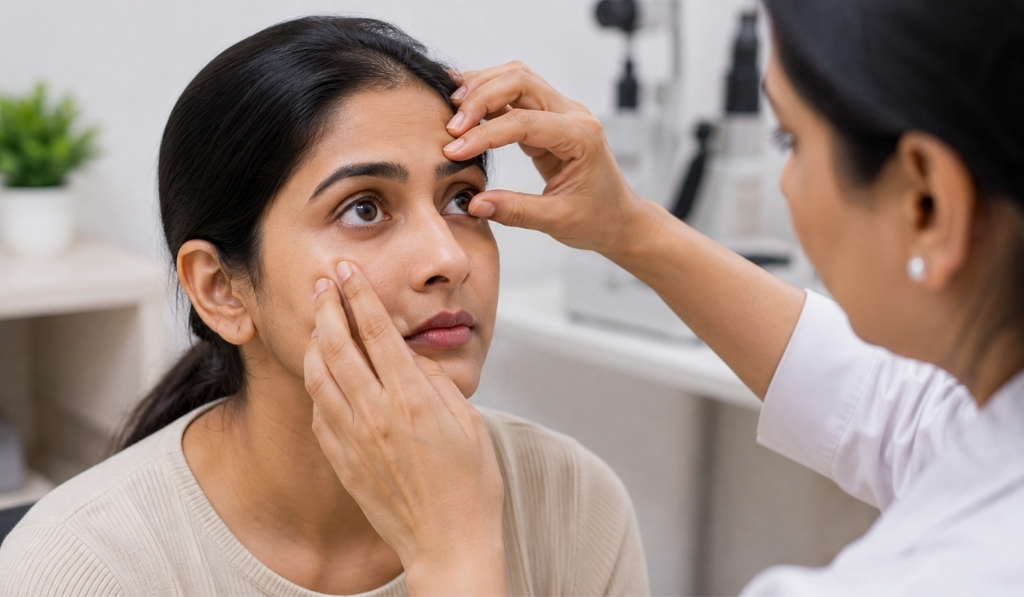
When we think about eye health, we often focus only on eyesight. However, the eyelids, tear ducts, eye socket, and surrounding tissues are essential for protecting the eyes and maintaining proper function. Problems in these areas may affect comfort, appearance, and vision.
Some conditions that affect the structures around the eyes develop slowly and may go unnoticed. Early attention to unusual changes can help prevent complications and support better outcomes.
An oculoplastic surgeon specialises in diagnosing and treating conditions affecting the structures around the eyes. Understanding when to seek their expertise can help ensure timely evaluation, appropriate treatment, and better long-term eye health.
What Does an Oculoplastic Surgeon Do?
An oculoplastic surgeon is an ophthalmologist with specialised expertise in treating conditions affecting the eyelids, tear drainage system, eye socket, and surrounding facial structures.
They evaluate and manage:
- Eyelid problems affecting eye protection or movement
- Tear drainage disorders causing excessive watering
- Conditions affecting the eye socket and surrounding tissues
- Reconstruction after injuries or surgeries
- Abnormal growths around the eyelids and orbit
Signs You Should See an Oculoplastic Surgeon
1. Eyelid Changes Affecting Your Daily Life
Changes in eyelid position or movement can affect vision and daily activities. Specialist evaluation can help identify the cause.
You should seek advice if you notice:
- Difficulty reading or driving due to eyelid position
- Feeling of heaviness around the eyes
- Frequently lifting eyebrows to see better
- Reduced field of vision
2. Persistent Watery Eyes
Continuous watering may occur due to problems with the tear drainage system. Persistent symptoms should be assessed by an eye specialist.
Consult an oculoplastic surgeon if you experience:
- Constant watering from one or both eyes
- Frequent wiping of tears
- Repeated discharge or infections
- Symptoms that continue despite basic eye care
3. A Lump Around the Eyelid That Does Not Improve
Many eyelid lumps are harmless, but persistent or changing lumps require proper evaluation.
Seek medical advice if you notice:
- A lump lasting several weeks
- Increase in size
- Bleeding or crusting
- Changes in colour or appearance
- Loss of eyelashes near the lump
4. Changes in the Appearance of Your Eyes
Changes around the eyes may indicate problems affecting the eyelids or surrounding tissues.
Consult a specialist if you notice:
- One eye looking different from the other
- Changes in eyelid position
- Facial or eye-area asymmetry
- New swelling affecting appearance
5. Persistent Swelling Around the Eye
Swelling around the eyes can occur due to several reasons. Persistent or recurring swelling should be evaluated.
An assessment is recommended when swelling is:
- Present for a long duration
- Associated with pain or redness
- Affecting eyelid movement
- This condition makes it difficult to open the affected eye.
6. Difficulty Moving the Eye or Double Vision
Changes in eye movement or alignment may affect vision and require specialist assessment.
Consult an oculoplastic surgeon if you experience:
- New double vision
- Difficulty moving the eye
- Pain during eye movement
- Eyes appearing misaligned
7. Repeated Eyelid Problems
Recurring eyelid problems may indicate an underlying condition that requires specialist care.
Consider consultation for:
- Repeated eyelid swelling
- Frequent styes or lumps
- Recurring infections
- Persistent eyelid irritation
8. Eye or Facial Injury
The tissues around the eyes are delicate, and injuries may affect both appearance and function.
Seek medical attention after:
- Road traffic accidents
- Sports injuries
- Falls involving the face
- Cuts around the eyelid
- Trauma near the eye socket
When Should You Seek Immediate Medical Attention?
Some symptoms require urgent medical evaluation because delays may increase the risk of complications.
Seek immediate care for:
- Sudden vision loss
- Severe eye pain
- Rapid swelling around the eye
- Sudden changes in eye position
- Double vision after trauma
- Bleeding or rapidly changing growth
Why Choose P.D. Hinduja Sindhi Hospital for Oculoplastic Care?
At P.D. Hinduja Sindhi Hospital, our specialists offer comprehensive evaluations and personalised care for conditions affecting the structures around the eyes.
Patients receive detailed assessment and guidance for conditions involving the eyelids, tear ducts, eye socket, and surrounding tissues. Early diagnosis and appropriate management can help improve eye health outcomes.
Conclusion
The eyelids, tear ducts, eye socket, and surrounding tissues play an important role in protecting the eyes and maintaining overall eye health. Any unusual changes involving these structures should be evaluated at the right time to prevent further concerns.
At P.D. Hinduja Sindhi Hospital, our specialists offer comprehensive evaluations and personalised care for conditions affecting the structures around the eyes. Seeking advice from an oculoplastic surgeon when symptoms appear can help with early diagnosis, appropriate management, and better long-term eye health outcomes.