
Introduction
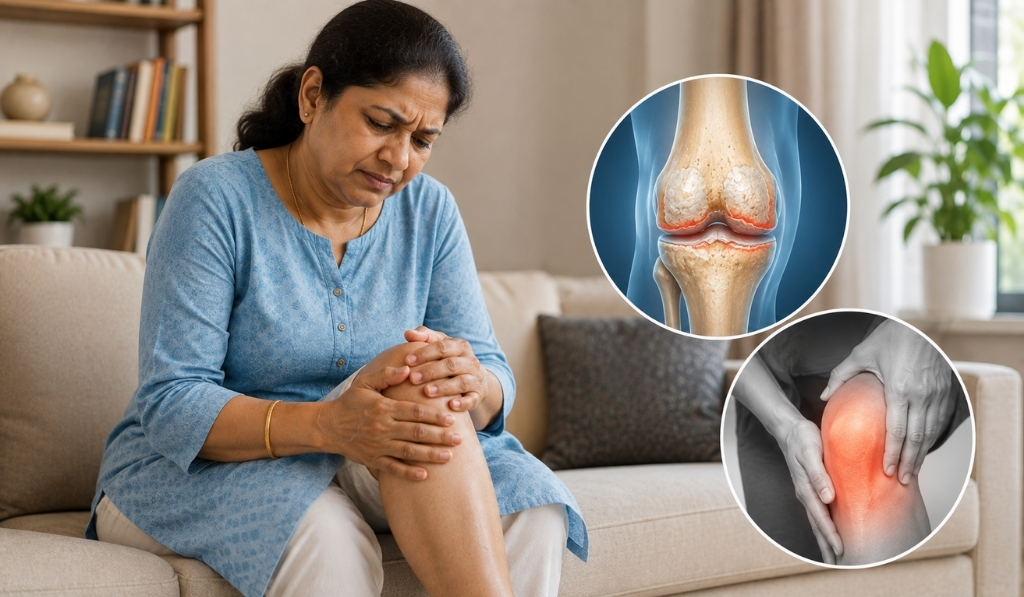
Do your knees feel stiff when you get up in the morning, or do your hands, hips, or other joints become uncomfortable after everyday activities? Joint discomfort can gradually become part of daily life, but it should not always be considered a normal part of ageing.
Osteoarthritis (OA) is one of the most common joint conditions worldwide and is also a growing concern in India. According to a survey, osteoarthritis affects around 22% to 39% of Indian adults, with the knee being one of the most commonly affected joints.
Although osteoarthritis is more common with increasing age, it can also affect younger people, particularly when factors such as previous joint injuries, excess body weight, genetics or repeated joint stress are present.
The condition cannot always be prevented, but recognising the early changes and seeking medical advice can help manage symptoms and maintain joint function. This guide explains what osteoarthritis is, its causes and symptoms, and the non-surgical treatment options that can help you stay mobile and manage joint discomfort.
Synopsis
- What Is Osteoarthritis?
- What Happens to the Joint in Osteoarthritis?
- What Causes Osteoarthritis?
- What Are the Symptoms of Osteoarthritis?
- Which Joints Are Commonly Affected?
- How Is Osteoarthritis Diagnosed?
- Non-Surgical Management of Osteoarthritis
- Can Osteoarthritis Be Prevented?
- What Happens If Osteoarthritis Is Not Managed?
- When Should You See a Doctor?
- Why Choose P.D. Hinduja Sindhi Hospital for Osteoarthritis Care?
- Conclusion
What Is Osteoarthritis?
Osteoarthritis is a condition that affects the joints and gradually changes the cartilage, bone, and other tissues within them. Healthy cartilage provides a smooth surface that allows the bones to move against each other with less friction.
With osteoarthritis, the cartilage becomes thinner and the joint tissues may undergo structural changes. These changes can cause discomfort, stiffness and difficulty moving the affected joint.
Osteoarthritis commonly affects:
- Knees
- Hips
- Hands and fingers
- Spine
- Feet
The condition can affect one joint or several joints, depending on the individual.
What Happens to the Joint in Osteoarthritis?
Osteoarthritis develops gradually rather than appearing suddenly. As the condition progresses, changes can occur in different parts of the joint.
The cartilage may become thinner or uneven, while the bone beneath it can become harder and thicker. In some people, small bony growths called osteophytes may develop around the edges of the joint.
Other structures can also be affected, including:
- Joint lining or synovium
- Tendons and ligaments
- Bone beneath the cartilage
- Meniscus in the knee
These changes can contribute to pain, stiffness and reduced joint movement.
What Causes Osteoarthritis?
There is no single cause of osteoarthritis. The condition usually develops because several factors influence the health of the joint over time.
Age is a major risk factor, but osteoarthritis is not just a natural part of ageing. Previous injuries, excess body weight, genetics and repeated stress on a joint can also increase the likelihood of developing the condition.
Common risk factors include:
- Increasing age
- Previous joint injury
- Repeated joint stress or overuse
- Excess body weight
- Family history of osteoarthritis
- Certain joint or bone abnormalities
- Previous surgery affecting a joint
- Reduced muscle strength around the joint
Having one or more risk factors does not necessarily mean that a person will develop osteoarthritis.
What Are the Symptoms of Osteoarthritis?
The symptoms of osteoarthritis can vary depending on the joint involved and how advanced the condition is. Some people initially notice only occasional discomfort, while others may experience more persistent symptoms.
Common symptoms include:
- Joint pain during or after movement
- Stiffness after periods of inactivity
- Reduced flexibility
- Tenderness around the joint
- Swelling
- A grating or clicking sensation during movement
- Difficulty performing certain daily activities
Morning stiffness in osteoarthritis is generally short-lived. However, prolonged or severe morning stiffness may suggest another type of joint condition and should be assessed by a doctor.
Which Joints Are Commonly Affected?
Osteoarthritis can develop in several joints, but some areas are affected more frequently than others.
Knee Osteoarthritis
Knee osteoarthritis may make walking, climbing stairs, standing for long periods or getting up from a chair uncomfortable.
Hip Osteoarthritis
Hip involvement may cause discomfort around the hip, groin or thigh and can gradually affect walking and other movements.
Hand Osteoarthritis
Osteoarthritis in the hands may cause pain, stiffness and difficulty with activities requiring grip or fine movements.
Spinal Osteoarthritis
Changes in the joints of the spine can contribute to back or neck discomfort and stiffness.
The symptoms and impact can vary from person to person.
How Is Osteoarthritis Diagnosed?
There is no single test that confirms every case of osteoarthritis. Your doctor usually combines your symptoms, medical history and physical examination with imaging when needed.
During the consultation, the doctor may assess:
- Location and duration of joint pain
- Stiffness and movement
- Joint tenderness or swelling
- Previous injuries or surgeries
- Daily activities and physical demands
- Family and medical history
Imaging Tests
An X-ray may show changes such as narrowing of the joint space, changes in the bone or osteophyte formation.
An MRI may be recommended in selected cases when the doctor needs more detailed information about cartilage, meniscus, ligaments or other soft tissues.
Blood Tests
Blood tests do not diagnose osteoarthritis itself. However, they may sometimes be recommended to rule out other conditions that can cause similar joint symptoms.
Non-Surgical Management of Osteoarthritis
Osteoarthritis treatment does not always mean surgery. Many people can manage their symptoms with a combination of lifestyle changes, exercise, physical therapy and medicines when appropriate.
The treatment plan depends on the affected joint, severity of symptoms, age, general health and individual needs.
Exercise and Physical Therapy
Regular, appropriate movement can help maintain joint flexibility and strengthen the muscles supporting the affected joint.
A physiotherapist may recommend exercises based on the person’s condition, which may include:
- Strengthening exercises
- Flexibility exercises
- Range-of-motion exercises
- Low-impact aerobic activity
- Balance and movement training
Exercise should be adjusted according to pain and physical ability rather than stopped completely because of mild discomfort.
Maintaining a Healthy Weight
For people with excess body weight, weight management can be an important part of osteoarthritis care, particularly when the knees or hips are affected.
Reducing excess weight can decrease the mechanical load placed on weight-bearing joints and may make movement more comfortable.
A healthy approach may include:
- Balanced nutrition
- Regular physical activity
- Gradual weight reduction when advised
- Guidance from a healthcare professional when required
Medicines for Symptom Relief
Medicines may be recommended when pain affects daily activities or does not improve sufficiently with lifestyle measures.
Depending on the individual’s health and medical history, a doctor may consider:
- Topical pain-relieving medicines
- Oral pain-relieving medicines
- Non-steroidal anti-inflammatory drugs (NSAIDs)
- Other medicines for persistent pain
Not every medicine is suitable for every patient. People with conditions such as kidney disease, stomach problems, heart disease or other medical concerns should discuss medication options with their doctor.
Injections for Osteoarthritis
For some patients, injections may be considered when symptoms continue despite other non-surgical measures.
Depending on the joint and individual circumstances, a specialist may discuss options such as corticosteroid injections.
The suitability and expected benefit of an injection depend on the affected joint, symptoms and overall health.
Everyday Habits That Can Support Joint Health
Small changes in daily activities can make movement easier and reduce unnecessary strain on painful joints.
Helpful measures may include:
- Choosing low-impact activities
- Taking breaks during prolonged activity
- Avoiding repetitive stress on painful joints
- Using supportive footwear when appropriate
- Maintaining a healthy body weight
- Following prescribed exercises regularly
- Avoiding prolonged inactivity
The aim is not to stop using the joint but to keep it moving in a safe and manageable way.
Can Osteoarthritis Be Prevented?
When it comes to joint conditions, a common question is whether osteoarthritis can be prevented. Not every case can be prevented, particularly when factors such as age or genetics are involved.
However, certain measures may help reduce the risk or delay the development of osteoarthritis, particularly by protecting the joints from avoidable stress and injury.
These may include:
- Maintaining a healthy weight
- Staying physically active
- Building muscle strength
- Treating joint injuries appropriately
- Using proper techniques during sports and exercise
- Avoiding unnecessary repetitive joint strain
Taking care of your joints throughout life can support mobility as you get older.
What Happens If Osteoarthritis Is Not Managed?
Osteoarthritis can gradually affect movement and daily activities when symptoms are not properly managed.
Persistent symptoms may lead to:
- Reduced physical activity
- Muscle weakness
- Difficulty with walking or other movements
- Problems performing everyday activities
- Sleep disturbance due to pain
- Reduced quality of life
This does not mean that every person with osteoarthritis will experience severe disability. Early assessment and an appropriate management plan can help many people remain active.
When Should You See a Doctor?
Joint pain is common, but persistent or worsening symptoms should not always be attributed to ageing.
Consider seeking medical advice if:
- Joint pain continues for several weeks.
- Stiffness begins affecting daily activities.
- Pain repeatedly returns after physical activity
- Swelling or tenderness develops
- Joint movement becomes increasingly restricted.
- Pain begins disturbing your sleep.
- You find it difficult to walk, climb stairs or perform routine tasks.
Early evaluation can help identify the cause of joint symptoms and guide appropriate management.
Why Choose P.D. Hinduja Sindhi Hospital for Osteoarthritis Care?
Osteoarthritis management often requires more than treating pain alone. A detailed assessment helps identify the affected joint, understand the severity of the condition and determine which treatment approach is appropriate.
At P.D. Hinduja Sindhi Hospital, patients can receive orthopaedic evaluation and personalised management based on their symptoms, joint condition and individual health needs.
Depending on the patient’s condition, the treatment plan may include lifestyle guidance, physical therapy, medicines, injections or other appropriate interventions. The aim is to help patients manage symptoms, maintain mobility and continue their daily activities as comfortably as possible.
Frequently Asked Questions
1. What is osteoarthritis?
Osteoarthritis is a joint condition in which cartilage and other joint tissues gradually undergo structural changes, leading to symptoms such as pain, stiffness and reduced movement.
2. Is osteoarthritis only caused by ageing?
No. Age is an important risk factor, but previous injuries, excess body weight, genetics, joint overuse and certain structural abnormalities can also contribute.
3. What are the early symptoms of osteoarthritis?
Early symptoms may include joint pain during activity, short-lasting stiffness after rest, mild swelling, tenderness and reduced flexibility.
4. Can osteoarthritis be treated without surgery?
Yes. Many people can manage osteoarthritis with non-surgical approaches such as exercise, physiotherapy, weight management, medicines and selected injections.
5. Does exercise make osteoarthritis worse?
Appropriate exercise generally helps maintain joint movement and strengthen supporting muscles. However, exercises should be selected according to the individual’s condition and ability.
Conclusion
Living with osteoarthritis does not necessarily mean giving up an active lifestyle. Understanding what is affecting your joints and addressing symptoms early can help you take better care of your mobility.
If you are looking for the best osteoarthritis treatment hospital in Bangalore, P.D. Hinduja Sindhi Hospital provides orthopaedic consultation and personalised care for joint pain and stiffness. A timely evaluation can help identify the severity of osteoarthritis and guide you towards suitable treatment options.