
Introduction
Every parent wants their child to grow healthy, active, and joyful. Childhood is a period of continuous change where children develop physically, emotionally, and socially at a rapid pace.
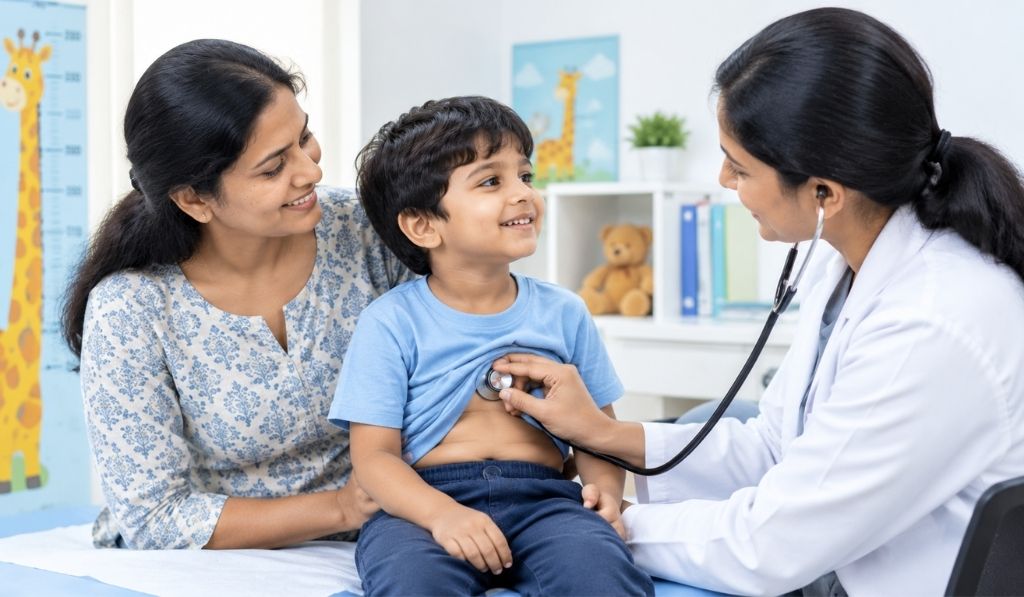
Regular child health checkups help paediatricians monitor important aspects of a child’s health, including growth patterns, developmental milestones, nutrition, vaccinations, and overall well-being.
These visits are not only helpful when a child is sick. They also focus on preventive care, early identification of concerns, and providing parents with the right guidance at every stage of childhood.
This guide explains why regular paediatric checkups are important, what happens during these visits, when they should be scheduled, and how parents can support their child’s healthy development at home.
Synopsis
- Why Regular Child Health Checkups Are Important?
- When Should You Schedule Child Health Checkups?
- How Can Parents Support Their Child’s Growth and Development at Home?
- When Does Your Child Need Extra Paediatric Care
- Paediatric Care at P.D. Hinduja Sindhi Hospital, Bangalore
- Conclusion
- FAQ
Why Regular Child Health Checkups Are Important?
Children’s health needs change as they grow. A newborn requires different care compared with a toddler, school-going child, or teenager.
A child may appear healthy but still have concerns that are difficult to notice without professional assessment. Regular consultations allow paediatricians to evaluate growth, development, and health changes over time.
Some important benefits of routine child health checkups include:
Monitoring Physical Growth
Doctors track important growth measurements such as:
- Height
- Weight
- Head circumference in infants
- Growth patterns over time
Regular monitoring helps identify whether a child is growing properly and allows early attention if growth concerns appear.
Assessing Developmental Milestones
Children develop new skills at different ages. During checkups, paediatricians evaluate important milestones, including:
- Crawling and walking
- Hand coordination
- Speech and language skills
- Social interaction
- Emotional development
Early identification of developmental concerns can help parents access timely support.
Detecting Health Concerns Early
Some health issues may not show clear symptoms in the beginning. Regular checkups can help identify concerns related to:
- Vision and hearing
- Nutrition deficiencies
- Growth patterns
- Developmental delays
- Behavioural changes
Early evaluation can improve management and treatment outcomes.
Reviewing Vaccinations
Vaccinations protect children from many preventable diseases. During routine visits, paediatricians review immunisation records and recommend vaccines according to the child’s age and health needs.
Providing Nutrition and Lifestyle Guidance
Parents often have questions about feeding, sleep, activity, and daily routines. Paediatric consultations provide expert advice about:
- Healthy eating habits
- Sleep requirements
- Physical activity
- Screen time management
- Child safety practices
Which Health Checks Does Your Child Need at Each Age?
Regular child health checkups help monitor your child’s physical growth, development, nutrition, vaccinations, and overall well-being at every stage of childhood. The frequency and focus of visits may vary depending on your child’s individual needs.
| Age | Developmental Stage | What Is Checked During the Visit |
| First week after birth | Newborn | Weight, feeding, general health, jaundice assessment, physical examination, and newborn concerns |
| 1 month | Newborn | Growth, feeding patterns, weight gain, physical development, and vaccination review |
| 2 months | Infancy | Growth, developmental milestones, feeding, and vaccinations |
| 4 months | Infancy | Growth, motor development, feeding habits, vaccinations, and general health assessment |
| 6 months | Infancy | Growth, developmental progress, nutrition, feeding practices, and vaccinations |
| 9 months | Infancy | Growth, movement, sitting/crawling skills, communication, nutrition, and vaccinations |
| 12 months | Toddler | Growth, walking and other milestones, speech development, nutrition, vaccinations, and vision assessment |
| 15 months | Toddler | Growth, development, behaviour, nutrition, and vaccination review |
| 18 months | Toddler | Growth, speech and language skills, motor development, behaviour, nutrition, and vaccinations |
| 24 months | Toddler | Growth, development, speech, behaviour, nutrition, vision, and overall health assessment |
| 3–5 years | Early Childhood | Growth, speech and language development, behaviour, vision, hearing, motor skills, nutrition, and vaccinations |
| 6–9 years | Middle Childhood | Growth, school performance, vision, hearing, dental health, nutrition, physical activity, and emotional well-being |
| 10–12 years | Pre-adolescence and Puberty | Growth changes, early puberty signs, nutrition, emotional development, body image, school concerns, and overall health |
| 13–15 years | Early Adolescence | Puberty changes, menstrual health where applicable, mental well-being, nutrition, sleep, physical activity, and lifestyle habits |
| 16–18 years | Late Adolescence | Physical and emotional development, reproductive health, mental well-being, nutrition, sleep habits, lifestyle choices, and preparation for adulthood |
Your paediatrician may recommend additional visits if your child has a medical condition, developmental concern, growth issue, or any specific healthcare requirement.
How Can Parents Support Their Child’s Growth and Development at Home?
Medical checkups are important, but daily habits at home also play a major role in a child’s health.
Parents can support healthy development by:
Providing Balanced Nutrition
Offer meals that include:
- Fruits and vegetables
- Protein-rich foods
- Whole grains
- Dairy products or suitable alternatives
A balanced diet supports energy, immunity, and healthy growth.
Encouraging Physical Activity
Active play helps children develop strength, coordination, and confidence.
Encourage age-appropriate activities such as:
- Outdoor games
- Movement activities
- Sports
- Creative play
Maintaining Healthy Sleep Habits
Good sleep supports:
- Brain development
- Learning ability
- Emotional balance
- Physical growth
Limiting Screen Time
Encourage children to spend time on activities that support:
- Communication
- Creativity
- Physical movement
- Learning
Following Positive Parenting Practices
Parenting guidance can also support a child’s emotional, social, and behavioural development. Simple practices such as maintaining consistent routines, listening to children, setting age-appropriate boundaries, and encouraging positive behaviour can help children feel secure and supported.
Parents can also seek parenting guidance from their paediatrician for concerns related to behaviour, sleep, learning, or emotional development.
When Does Your Child Need Extra Paediatric Care?
Apart from routine visits, parents should consult a paediatrician if they notice changes in their child’s health or development.
Seek medical advice if your child has:
- Delayed developmental milestones
- Poor weight gain
- Frequent illnesses
- Feeding difficulties
- Sleep problems
- Behavioural changes
- Speech delays
- Any symptom that causes concern
Early consultation helps identify problems and provides appropriate guidance.
Why Choose P.D. Hinduja Sindhi Hospital, Bangalore?
At P.D. Hinduja Sindhi Hospital, Bangalore, paediatric care focuses on understanding each child’s individual health needs.
The hospital provides support for:
- Routine child health checkups
- Growth and developmental monitoring
- Vaccination guidance
- Nutrition counselling
- Childhood illness evaluation
- Preventive healthcare advice
The paediatric team focuses on providing child-friendly care, clear communication with parents, and personalised recommendations based on each child’s needs.
Conclusion
Regular child health checkups in Bangalore help parents track their child’s health, vaccinations, nutrition, and developmental milestones at every stage. Timely paediatric consultations can help identify concerns early and support better health outcomes.
For expert child healthcare and paediatric care in Bangalore, consult the paediatric team at P.D. Hinduja Sindhi Hospital for personalised guidance and preventive care.
Frequently Asked Questions
1. Why are regular child health checkups important?
Regular checkups help monitor growth, development, vaccinations, nutrition, and overall health while allowing doctors to identify concerns early.
2. What is included in a child health checkup?
A checkup may include physical examination, growth tracking, developmental screening, vaccination review, and nutrition guidance.
3. How often should children visit a paediatrician?
The frequency depends on the child’s age and health needs. Infants usually require more frequent visits compared with older children.
4. What developmental milestones are checked during visits?
Paediatricians assess movement, speech, communication, social skills, and emotional development.
5. When should parents consult a paediatrician between routine visits?
Parents should seek advice if they notice delayed milestones, poor weight gain, frequent illness, feeding issues, sleep problems, or unusual changes.
6. How can parents support child development at home?
Healthy food, proper sleep, active play, reading, communication, and emotional support help children develop healthy habits.