
Introduction
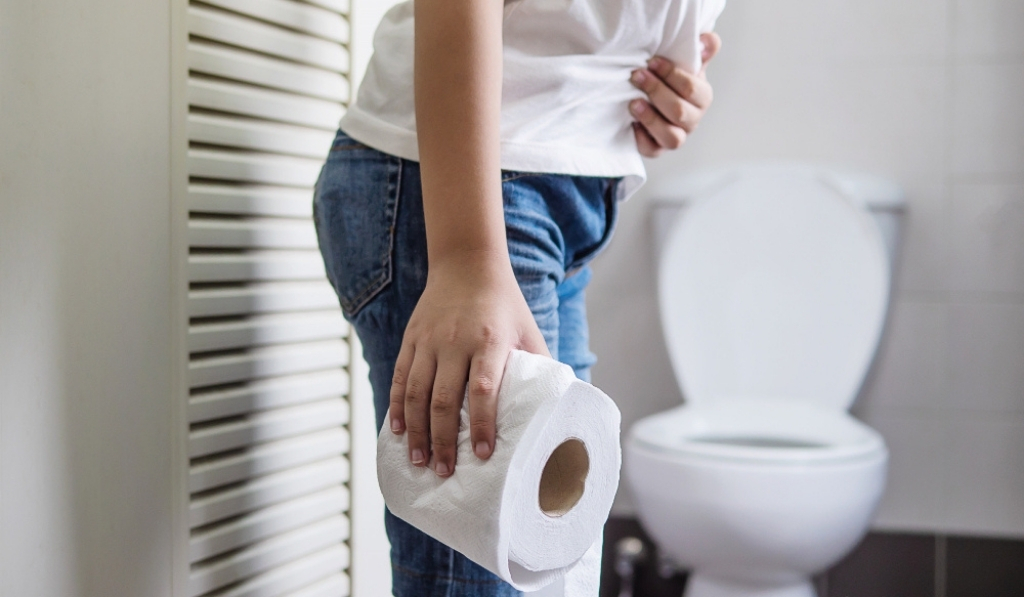
Has your child started avoiding the toilet, complaining of stomach pain, or passing difficult stools? These signs may seem common, but they can sometimes indicate constipation in children.
Constipation is one of the frequent digestive concerns among children. It can affect their appetite, mood, sleep, and daily routine. Many parents are unsure whether it is a temporary issue or something that needs medical attention.
The good news is that childhood constipation can often be managed with the right care. This blog explains the common causes, symptoms, home care tips, prevention methods, and when parents should consult a paediatrician for constipation in children.
Synopsis
- What Is Constipation in Children
- What Causes Constipation in Children
- What Are the Common Signs of Constipation
- When Should You Consult a Paediatrician
- How Can You Help a Constipated Child at Home
- How Can Constipation Be Prevented
- Paediatric Care at P.D. Hinduja Sindhi Hospital, Bangalore
- Frequently Asked Questions
What Is Constipation in Children?
Constipation happens when stools become hard, dry, difficult, or painful to pass. A child may also be constipated if they avoid using the toilet or hold stools for long periods. Bowel habits differ between children. Rather than focusing only on frequency, pay attention to whether your child’s bowel movements have become harder, painful, or different from usual.
What Causes Constipation in Children?
Several everyday factors can affect bowel movements.
Low Fibre Intake
Fibre helps keep stools soft and easier to pass. Children who eat fewer fruits, vegetables, whole grains, and other fibre-rich foods may be more likely to develop constipation.
Not Drinking Enough Fluids
Low fluid intake can make stools harder. This may happen when children forget to drink water during school, play, or travel.
Holding Stool
Some children delay going to the toilet because they are busy, uncomfortable, or afraid of painful bowel movements.
Holding stool can make it harder and more difficult to pass later.
Toilet Training Difficulties
Pressure, fear, or an uncomfortable toilet experience can lead young children to avoid bowel movements.
Changes in Routine
Starting school, travelling, illness, or changes at home can disturb regular toilet habits.
Limited Physical Activity
Regular movement supports normal bowel function. Long periods of sitting and less active play may contribute to constipation.
Underlying Health Conditions
Persistent constipation can sometimes be linked to an underlying condition. A paediatrician can assess the child if symptoms continue despite lifestyle changes.
What Are the Common Signs of Constipation?
Parents may notice different changes depending on the severity of constipation.
| Area | Signs Parents May Notice |
| Stool Changes | Hard, dry, pellet-like, or unusually large stools |
| Bowel Movement | Straining, pain, crying, or difficulty passing stool |
| Behaviour | Hiding, crossing legs, standing stiffly, or refusing to use the toilet |
| Digestive Symptoms | Stomach pain, bloating, or feeling full |
| Appetite | Reduced interest in food |
| Other Signs | Stool leakage in underwear or small amounts of blood from hard stools |
Repeated symptoms should not be ignored, especially if they affect the child’s eating, activity, or comfort.
When Should You Consult a Paediatrician?
Consult a paediatrician if your child has:
- Severe or persistent abdominal pain
- Repeated vomiting
- Blood in the stool
- Significant abdominal swelling
- Poor weight gain or weight loss
- Ongoing loss of appetite
- Stool leakage that happens repeatedly
- Painful bowel movements that continue
- Constipation that does not improve
- Frequent episodes of constipation
A paediatrician can identify possible causes and suggest care based on the child’s age and symptoms.
How Can Parents Manage and Prevent Constipation at Home?
Mild constipation may improve with simple daily habits. These steps can also help reduce repeated episodes.
- Add fibre-rich foods: Include fruits, vegetables, whole grains, oats, beans, and lentils. During major meals, try to fill about half of the child’s plate with vegetables and fruits.
- Limit junk and packaged foods: Reduce biscuits, breads, bakery items, chocolates, fries, and other packaged foods, even when they carry health-related labelling claims.
- Encourage enough fluids: Offer water regularly throughout the day.
- Build a toilet routine: Encourage your child to sit on the toilet after meals without pressure.
- Promote physical activity: Walking, cycling, outdoor play, and regular movement can support bowel function.
- Watch for stool holding: Notice if your child avoids the toilet due to fear, pain, or discomfort.
- Keep toilet training positive: Avoid punishment, rushing, or forcing the child.
- Maintain regular meals: Consistent meal timings can support a healthier bowel routine.
If constipation continues despite these changes, consult a paediatrician before using laxatives or other medicines.
Paediatric Care at P.D. Hinduja Sindhi Hospital, Bangalore
At P.D. Hinduja Sindhi Hospital, Bangalore, the paediatric team provides evaluation and care for constipation and other digestive concerns in children.
Paediatric care may include:
- Assessment of bowel habits and symptoms
- Review of diet and fluid intake
- Evaluation of toilet behaviour
- Guidance on nutrition and daily routines
- Treatment when required
- Further evaluation for persistent constipation
Treatment is planned according to the child’s age, symptoms, and individual needs.
Conclusion
Constipation in children is common and can often improve with better food choices, adequate fluids, regular activity, and healthy toilet habits.
Persistent pain, blood in the stool, vomiting, poor growth, or repeated constipation should be evaluated by a paediatrician.
For constipation treatment in children or paediatric care in Bangalore, consult the paediatric team at P.D. Hinduja Sindhi Hospital, Bangalore, for appropriate evaluation and guidance.
Frequently Asked Questions
1. How can I tell if my child is constipated?
Firm stools, straining, painful bowel movements, stomach discomfort, and stool-holding behaviour are common signs of constipation.
2. Can a child be constipated even with regular bowel movements?
Yes. A child may still have constipation if stools are firm, painful, or difficult to pass.
3. Which foods may help with constipation?
Fruits, vegetables, whole grains, oats, lentils, and other fibre-rich foods can support softer stools when included as part of a balanced diet.
4. Does drinking water help with constipation?
Adequate fluids help support normal stool consistency and healthy bowel habits.
5. When should I consult a paediatrician for constipation?
Seek paediatric advice if symptoms are persistent, painful, associated with blood or vomiting, or accompanied by poor weight gain or other concerning changes.
6. Can constipation come back after improving?
Yes. It may return if stool-holding, low-fibre intake, inadequate fluids, or irregular toilet habits continue.