
Introduction
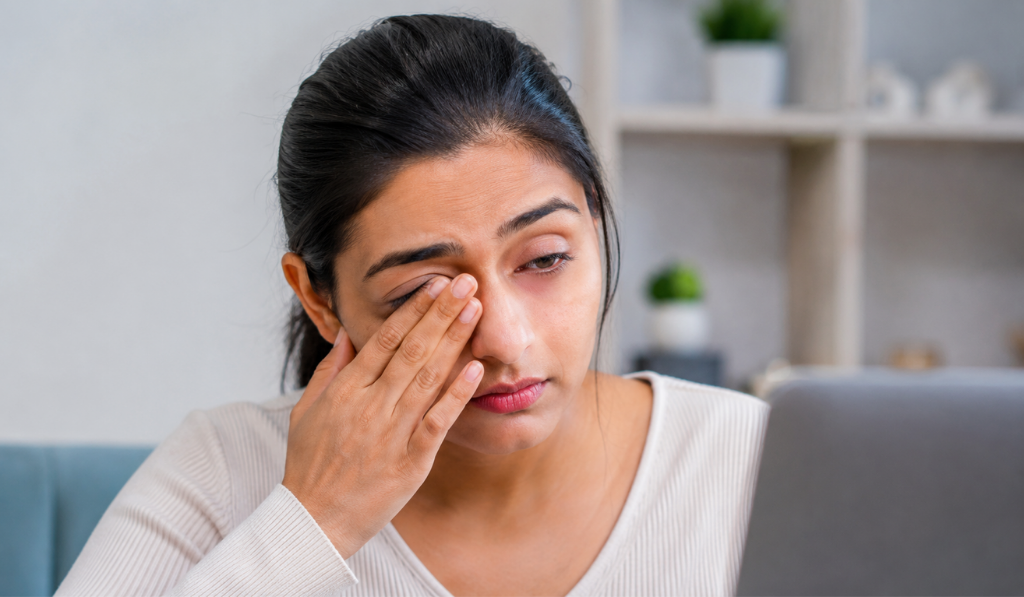
We usually notice dryness on our skin or scalp, but did you know that your eyes can also become dry? When the eyes become dry, they may feel uncomfortable or irritated, and vision may sometimes become temporarily blurred. Dry eyes may cause discomfort or temporary vision changes but can often be managed with proper care.
Dry eye can develop due to several everyday habits, environmental factors, age-related changes, and other underlying conditions. In this blog, we will explain what causes dry eye syndrome, the symptoms to watch for, how it is diagnosed, and the treatment options available.
What Is Dry Eye?
Dry eye syndrome is a common eye condition that occurs when the tears are not sufficient to keep the surface of the eyes properly lubricated.
It can happen when the eyes do not produce enough tears, tears evaporate too quickly, or the tear film does not function properly.
Tears help maintain eye comfort, support clear vision, and protect the eye surface from irritation. When the tear film becomes unstable, the eyes may feel dry, irritated, or uncomfortable.
Causes of Dry Eyes
Dry eye can develop due to different factors that affect tear production, tear quality, or tear evaporation.
Common causes include:
Reduced Tear Production
Tear production may decrease due to ageing, certain health conditions, or some medications. Reduced moisture on the eye surface can cause irritation and discomfort.
Increased Tear Evaporation
Problems with the oil-producing glands in the eyelids can cause tears to evaporate faster, leading to dryness.
Prolonged Screen Use
Long hours of computer, smartphone, or tablet use can reduce blinking and affect the spread of tears across the eye surface.
Environmental Factors
Dry air, air conditioning, fans, dust, wind, smoke, and pollution can increase tear evaporation.
Contact Lens Use
Wearing contact lenses for long periods or improper lens care may contribute to dryness and discomfort.
Who Is at Higher Risk of Dry Eyes?
Dry eye can affect people of all ages, but certain factors may increase the risk.
Individuals who are more susceptible to developing dry eyes include:
- Older adults
- People who spend long hours using digital screens
- Contact lens users
- Individuals exposed to air conditioning, dust, smoke, or pollution
- People taking certain medications
- Individuals with conditions affecting the eyes or tear production
Symptoms of Dry Eye
Symptoms of dry eye can vary from person to person. Some people may experience mild discomfort, while others may have symptoms that affect daily activities.
Common symptoms include:
- Burning or stinging sensation in the eyes
- Dry or gritty feeling
- Feeling like something is stuck in the eye
- Redness or irritation
- Itching
- Sensitivity to light
- Watery eyes
- Tired or heavy eyes
- Blurred or fluctuating vision
- Difficulty wearing contact lenses
Symptoms may become worse after prolonged screen use, reading, driving, or spending time in air-conditioned environments.
If symptoms continue or become frequent, an ophthalmologist should be consulted.
How Is Dry Eye Diagnosed?
A detailed eye examination helps identify the cause and severity of dry eyes.
Your ophthalmologist may perform:
- Tear Break-Up Time Test – Checks how long the tear film remains stable after blinking
- Schirmer Test – Measures tear production
- Eye Surface Examination – Identifies dryness or damage on the eye surface
- Slit-Lamp Examination – Evaluates the front surface of the eye
- Meibomian Gland Assessment – Checks eyelid glands that help prevent tear evaporation
Not every patient requires all tests. The ophthalmologist decides the appropriate evaluation based on symptoms.
Treatment Options for Dry Eye Syndrome
Treatment depends on the cause and severity of dry eyes.
Artificial Tears
Lubricating eye drops help keep the eye surface moist and provide relief from dryness and irritation.
Warm Compresses
Warm compresses may help improve the function of eyelid glands and reduce tear evaporation.
Eyelid Hygiene
Keeping the eyelid margins clean can help when eyelid inflammation or blocked glands contribute to dry eyes.
Prescription Eye Drops
Some patients may require prescribed medicines to reduce inflammation or improve tear production.
Other Treatments
In certain cases, treatments such as punctal plugs or procedures for meibomian gland problems may be recommended.
Can Dry Eye Be Prevented?
Dry eye cannot always be completely prevented, but healthy habits can help reduce symptoms and protect eye comfort.
Simple measures include:
- Follow the 20-20-20 rule when using screens.
- Blink regularly while using digital devices
- Avoid direct exposure to fans or air-conditioning vents.
- Use contact lenses as advised by your eye specialist.
- Protect eyes from dust, wind, and smoke.
- Do not ignore persistent symptoms.
When Should You See an Ophthalmologist?
You should consult an ophthalmologist if you experience:
- Persistent dryness or irritation
- Frequent redness
- Repeated blurred vision
- Ongoing discomfort despite basic care
- Difficulty wearing contact lenses
- Symptoms affecting daily activities
Early evaluation helps identify the cause and allows appropriate treatment.
Frequently Asked Questions About Dry Eye Syndrome
Q1. What is the main cause of dry eye syndrome?
Dry eye may occur due to reduced tear production, faster tear evaporation, ageing, screen use, contact lens use, medicines, or environmental factors.
Q2. Can too much screen time cause dry eyes?
Yes. Reduced blinking during screen use can increase tear evaporation and cause dryness.
Q3. Why do my eyes water when they are dry?
Dryness can irritate the eyes and trigger excessive tearing, but these tears may not provide proper lubrication.
Q4. Can dry eyes cause blurred vision?
Yes. An unstable tear film can cause temporary or fluctuating blurred vision.
Q5. Are artificial tears safe for dry eyes?
Lubricating eye drops are commonly used, but the correct type and frequency should be discussed with an ophthalmologist.
Q6. Can contact lenses make dry eyes worse?
Yes. Long-term use or improper care of contact lenses may increase dryness and discomfort.
Conclusion
Dry eye syndrome may seem like a minor problem, but ongoing dryness can affect eye comfort and sometimes disturb daily activities such as reading, driving, or working on a screen. Proper evaluation helps your ophthalmologist identify the cause of dryness and recommend suitable treatment based on your eye condition.
For persistent or recurring dry eye symptoms, consult the ophthalmologists at P.D. Hinduja Sindhi Hospital for suitable evaluation and care.