
Introduction
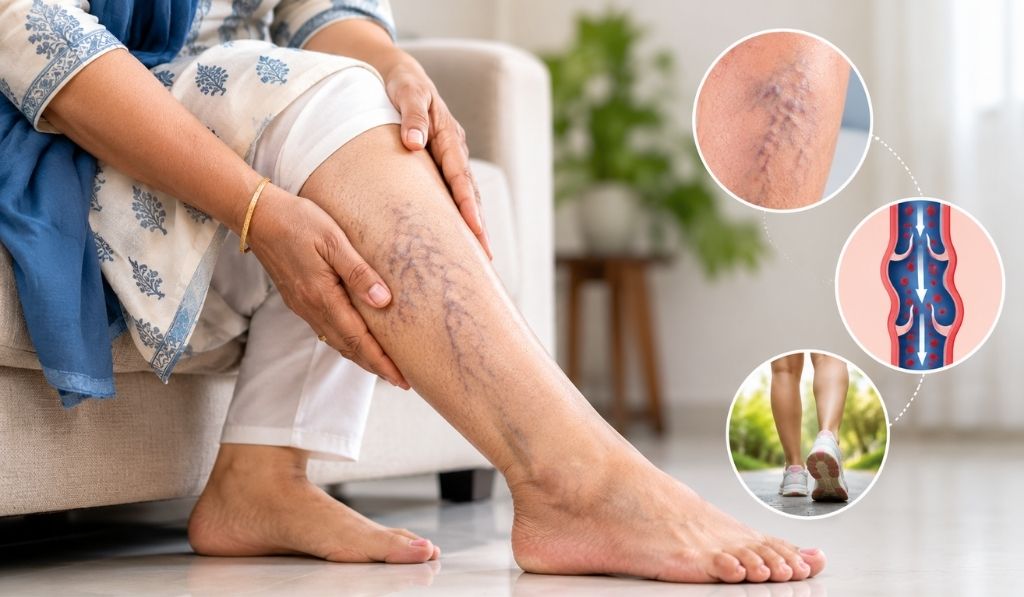
Our veins play a vital role in carrying blood back to the heart. They contain one-way valves that keep blood flowing in the right direction. When these valves become weak or damaged, blood can begin to collect within the veins instead of moving efficiently. Over time, this increased pressure causes the veins to enlarge, twist, and become visible beneath the skin.
Varicose veins are enlarged, swollen, and twisted veins that develop due to this faulty blood flow. They are most commonly seen in the legs, ankles, and feet, as these veins work against gravity to return blood to the heart. However, varicose veins can also occur in other parts of the body, including the pelvis (pelvic congestion syndrome), rectum (haemorrhoids), and other superficial veins, depending on the affected blood vessels.
Although they are often viewed as a cosmetic concern, varicose veins can sometimes cause pain, swelling, heaviness, itching, and other symptoms that may affect daily activities and require medical evaluation and treatment. Understanding the early signs, risk factors, and available treatment options can help prevent complications and support better vein health.
What Are the Symptoms of Varicose Veins?
The symptoms of varicose veins can range from mild discomfort to more noticeable physical changes. While some people may only observe enlarged veins beneath the skin, others may experience persistent symptoms that affect their daily routine. Symptoms often become more noticeable after standing or sitting for long periods and may improve with rest or leg elevation.
Common symptoms include:
- Enlarged, twisted blue or purple veins
- Bulging veins visible beneath the skin
- Aching, throbbing, or burning pain
- A feeling of heaviness or tiredness in the legs
- Swelling of the legs, ankles, or feet
- Muscle cramps, especially during the night
- Itching around the affected veins
- Restless or tired legs
- Skin discolouration around the veins
- Thickened or hardened skin in advanced cases
- Venous ulcers or non-healing sores near the ankles
If symptoms become persistent or progressively worsen, it is important to consult a healthcare professional for proper evaluation.
What Causes Varicose Veins?
Healthy veins rely on strong walls and one-way valves to move blood efficiently back to the heart. When these valves become weak or damaged, blood begins to flow backward or collect within the veins instead of moving upward. This increases pressure inside the veins, causing them to stretch, enlarge, and become twisted over time.
Several factors can contribute to the development of varicose veins, including:
- Weak or damaged vein valves
- Age-related loss of vein elasticity
- Increased pressure inside the veins
- Pregnancy and hormonal changes
- Excess body weight
- Standing or sitting for prolonged periods
- Family history of varicose veins
- Reduced physical activity
- Smoking and tobacco use
Who Is at Risk of Developing Varicose Veins?
Although anyone can develop varicose veins, certain factors increase the likelihood of developing the condition. Understanding these risk factors can help individuals take preventive measures and seek early medical advice when needed.
Risk factors include:
- Increasing age
- Family history of varicose veins
- Pregnancy
- Hormonal changes in women
- Overweight or obesity
- Occupations that require prolonged standing or sitting
- Lack of regular physical activity
- Smoking
- Previous vein injuries
- Conditions that increase pressure within the abdomen
Having one or more of these risk factors does not necessarily mean you will develop varicose veins, but they can increase your chances.
What Are the Possible Complications of Varicose Veins?
Varicose veins are not always harmful, but they should not be ignored. Without appropriate treatment, they can lead to complications that may affect both circulation and skin health.
Possible complications include the following:
- Persistent pain and discomfort
- Swelling of the legs
- Skin discolouration
- Thickening or hardening of the skin
- Venous ulcers
- Bleeding from damaged veins
- Superficial thrombophlebitis
- Chronic venous insufficiency
- Deep vein thrombosis (DVT) in some cases
Early diagnosis and treatment can help reduce the risk of these complications.
How Are Varicose Veins Diagnosed?
Diagnosis usually begins with a discussion of your symptoms, medical history, and lifestyle. Your healthcare provider will examine the affected veins and assess for swelling, tenderness, and skin changes.
To evaluate blood flow and determine the severity of the condition, additional tests may include:
- Physical examination while standing
- Doppler ultrasound
- Venous ultrasound
- Assessment for blood clots
- Evaluation of vein valve function
These investigations help determine the most suitable treatment plan based on the severity of the condition.
Treatment Options for Varicose Veins
Treatment depends on the severity of symptoms, the extent of vein damage, and the individual’s overall health. Many patients benefit from a combination of lifestyle modifications and minimally invasive procedures.
Lifestyle Changes
Simple lifestyle modifications can help improve circulation and reduce symptoms.
These include:
- Walking regularly
- Maintaining a healthy weight
- Elevating the legs
- Avoiding prolonged standing or sitting
- Performing regular leg exercises
- Staying physically active
Compression Stockings
Compression stockings apply gentle pressure to the legs, helping improve blood circulation, reduce swelling, and relieve discomfort.
Sclerotherapy
Sclerotherapy involves injecting a special solution into the affected vein, causing it to collapse and gradually disappear over time.
Endovenous Laser Treatment (EVLT)
Laser treatment uses heat energy to close damaged veins through a minimally invasive procedure with faster recovery and minimal discomfort.
Radiofrequency Ablation (RFA)
Radiofrequency energy is used to seal the affected vein from within, allowing blood to naturally reroute through healthy veins.
Surgical Treatment
In advanced cases, surgical procedures may be recommended to remove or close severely affected veins when other treatments are not suitable.
Can Varicose Veins Be Prevented?
Although varicose veins cannot always be prevented, healthy lifestyle habits can significantly reduce the risk of developing them or slow their progression.
Helpful preventive measures include:
- Exercise regularly
- Maintain a healthy body weight
- Avoid prolonged standing or sitting
- Elevate your legs whenever possible
- Wear compression stockings if advised
- Eat a balanced, fibre-rich diet
- Stay well hydrated
- Avoid smoking
- Stretch and move frequently during long periods of sitting
Adopting these habits can improve circulation and support long-term vein health.
When Should You See a Doctor?
Seek medical attention if you experience:
- Persistent pain or heaviness in the legs
- Swelling that does not improve
- Skin colour changes around the veins
- Bleeding from a varicose vein
- Non-healing wounds or ulcers
- Sudden redness, warmth, or tenderness
- Rapid worsening of symptoms
- Symptoms that interfere with daily activities
Prompt medical evaluation can help prevent complications and ensure timely treatment.
Frequently Asked Questions (FAQs)
Can varicose veins disappear without treatment?
Varicose veins generally do not disappear on their own. While lifestyle changes may help reduce symptoms, medical treatment is often required to address the affected veins.
Are varicose veins only a cosmetic concern?
No. Although some people seek treatment for cosmetic reasons, varicose veins can also cause pain, swelling, skin changes, and other complications if left untreated.
Can exercise help manage varicose veins?
Yes. Low-impact activities such as walking, cycling, and swimming can improve circulation and help relieve symptoms.
Can young adults develop varicose veins?
Yes. Genetics, obesity, pregnancy, prolonged standing, and certain occupations can contribute to varicose veins even in younger individuals.
Is surgery necessary for every patient?
No. Many people can successfully manage varicose veins with lifestyle changes, compression therapy, or minimally invasive procedures. Surgery is usually reserved for more advanced cases.
Conclusion
Vascular disease may affect your life in big and small ways. P. D. Hinduja Sindhi Hospital’s vascular specialists diagnose and treat a wide range of vascular conditions, including varicose veins, enabling patients to focus on living life with greater comfort and confidence. If you are experiencing persistent pain, swelling, visible veins, or other symptoms of varicose veins, schedule a consultation with the experienced vascular specialists at P. D. Hinduja Sindhi Hospital, recognised as one of the best hospitals for varicose vein treatment in Bangalore, for comprehensive evaluation and advanced, personalised care.